








How to Store Seasonal Clothes Efficiently and Save Space
Storing seasonal clothes efficiently can make a big difference in your home’s organization and space management. Whether you’re packing away winter coats or summer shorts, proper storage helps protect your garments and makes it easy to find what you need when the season changes. In this post, we’ll explore practical tips and strategies to help you store seasonal clothes efficiently, preserving their quality and freeing up closet space.
Why Proper Seasonal Clothing Storage Matters
When clothes are not stored correctly, they can become wrinkled, damaged, or develop odors and mold. Efficient storage not only protects your clothes but also saves time when swapping your wardrobe between seasons. It reduces clutter and creates a more organized, enjoyable living space.
Preparing Your Clothes for Storage
Before packing away your seasonal clothes, preparation is key. Follow these steps to ensure your garments stay in great condition:
1. Clean Everything
Always wash or dry clean clothes before storing them. Dirt, sweat, and oils can attract pests or cause stains to set in over time. Make sure clothes are completely dry to prevent mold.
2. Repair and Mend
Check for any buttons, seams, or zippers that need fixing. It’s easier to repair clothes before storage than after they’ve been packed away.
3. Sort and Declutter
Take this opportunity to sort through your wardrobe. Donate or recycle items you no longer wear. Keeping only the clothes you love makes storage more manageable.
Choosing the Right Storage Solutions
Selecting the right containers and organizing methods helps maintain your clothes and maximizes space.
1. Use Breathable Storage Bags or Boxes
Plastic bins are popular but can trap moisture if not used carefully. Opt for breathable fabric storage bags or boxes with ventilation holes to prevent mildew.
2. Vacuum-Sealed Bags
Vacuum-sealed bags save space by compressing clothes; however, use them for non-delicate items like sweaters and jackets only. Avoid long-term storage in vacuum bags for delicate fabrics as it may damage fibers.
3. Clear Containers
Transparent containers make it easy to see what’s inside without opening them. Label each container by category, such as “Winter Sweaters” or “Summer Dresses,” for quick identification.
4. Cedar or Lavender for Freshness
Add cedar blocks or lavender sachets to your storage to repel moths and keep clothes smelling fresh.
Smart Packing Techniques
How you pack your clothes can influence how well they store over time.
1. Fold Clothes Neatly
Folding clothes properly reduces wrinkles and saves space. Use the rolling method for items like t-shirts and leggings to maximize space.
2. Layer with Tissue Paper
Place acid-free tissue paper between layers to protect delicate fabrics and prevent creasing.
3. Avoid Overpacking
Overstuffing containers can crush clothes and damage fibers. Leave some space to allow clothes to breathe.
Storage Placement Tips
Where you keep your seasonal clothes matters for their preservation.
1. Choose a Cool, Dry Place
Avoid damp areas like basements or attics prone to moisture and temperature fluctuations. A closet, under-bed storage, or a climate-controlled area is ideal.
2. Keep Away from Direct Sunlight
Sunlight can fade fabrics, so store containers in dark or shaded spots.
3. Elevate Storage Containers
Keep bins off the floor using shelves or pallets to avoid potential water damage.
Maintaining Your Seasonal Clothes Storage
Even when clothes are stored, some maintenance is necessary to keep them in good shape.
1. Check Periodically
Every few months, inspect your storage containers for signs of moisture, pests, or damage.
2. Air Out Clothes Before Wearing
When taking clothes out of storage, allow them to air out for several hours to refresh fabrics.
3. Rotate Clothes Seasonally
Rotate your wardrobe based on the season to keep items fresh and ready to wear.
Bonus Tips for Small Spaces
If you have limited storage space, consider these additional ideas:
– Use vacuum bags to compress bulky items like comforters or coats.
– Store shoes and accessories in stackable clear boxes.
– Use under-bed storage containers for seldom-used seasonal clothing.
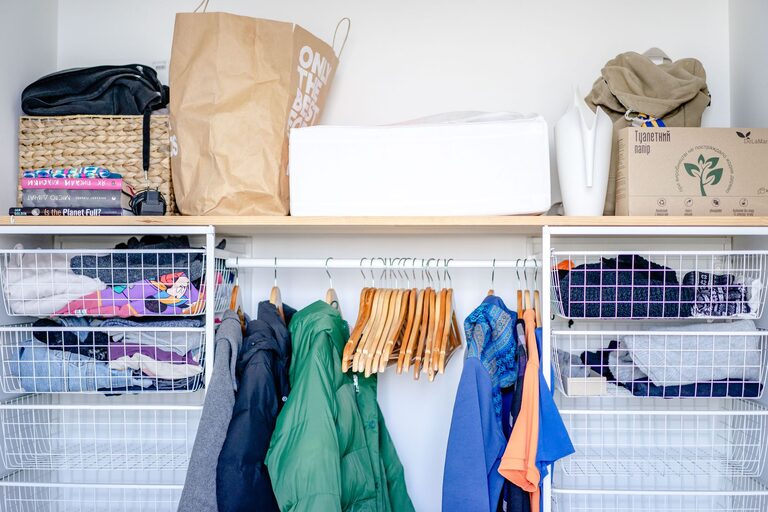
– Install hanging organizers or hooks in closets to free up shelf space.
Conclusion
Efficient seasonal clothes storage is all about preparation, the right materials, and smart organization. With these tips, you can keep your wardrobe in great condition year-round, save space, and enjoy a clutter-free home. Start with a little effort, and you’ll appreciate the convenience every season.
Happy organizing!